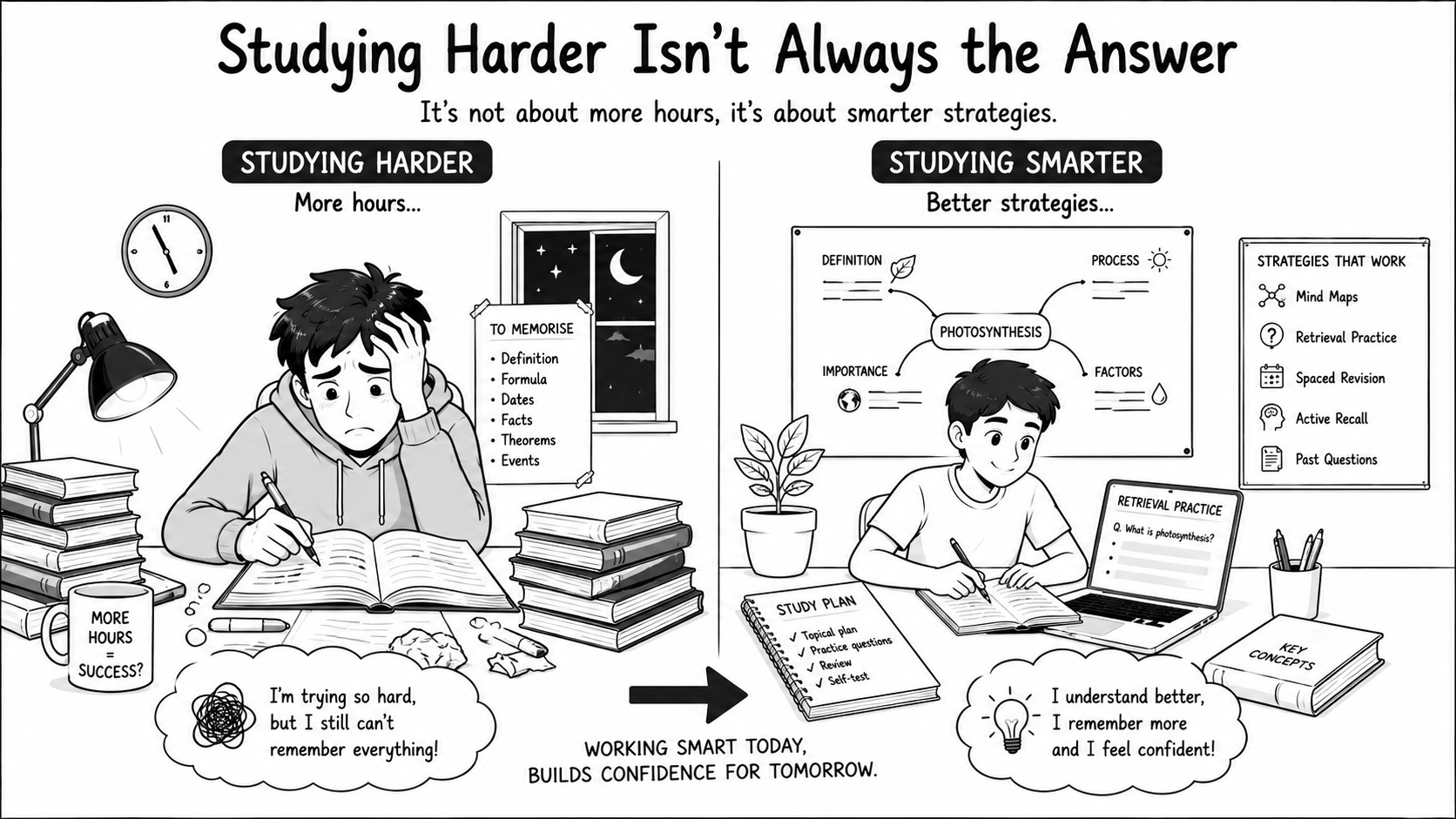
When students begin to struggle academically, the natural response is often, “You need to study harder.”
While this advice is well intentioned, spending more hours with books does not always lead to better learning.
As a learning support teacher, I have seen many students work incredibly hard, yet continue to feel frustrated, because the way they were studying simply wasn’t working for them.
Effective learning goes beyond remembering facts. True learning happens when students understand ideas well enough to use them confidently in different situations. They learn more successfully when they understand relationships between ideas, retrieve information from memory, apply concepts in different contexts and organise their thinking clearly.
This is especially important in curricula such as the IGCSE and the IB, where students are expected to analyse, evaluate and apply their understanding rather than simply reproduce information.
Sometimes, a small change in learning strategies can make a significant difference to both confidence and academic performance.
Every learner learns differently
No two students learn in exactly the same way.
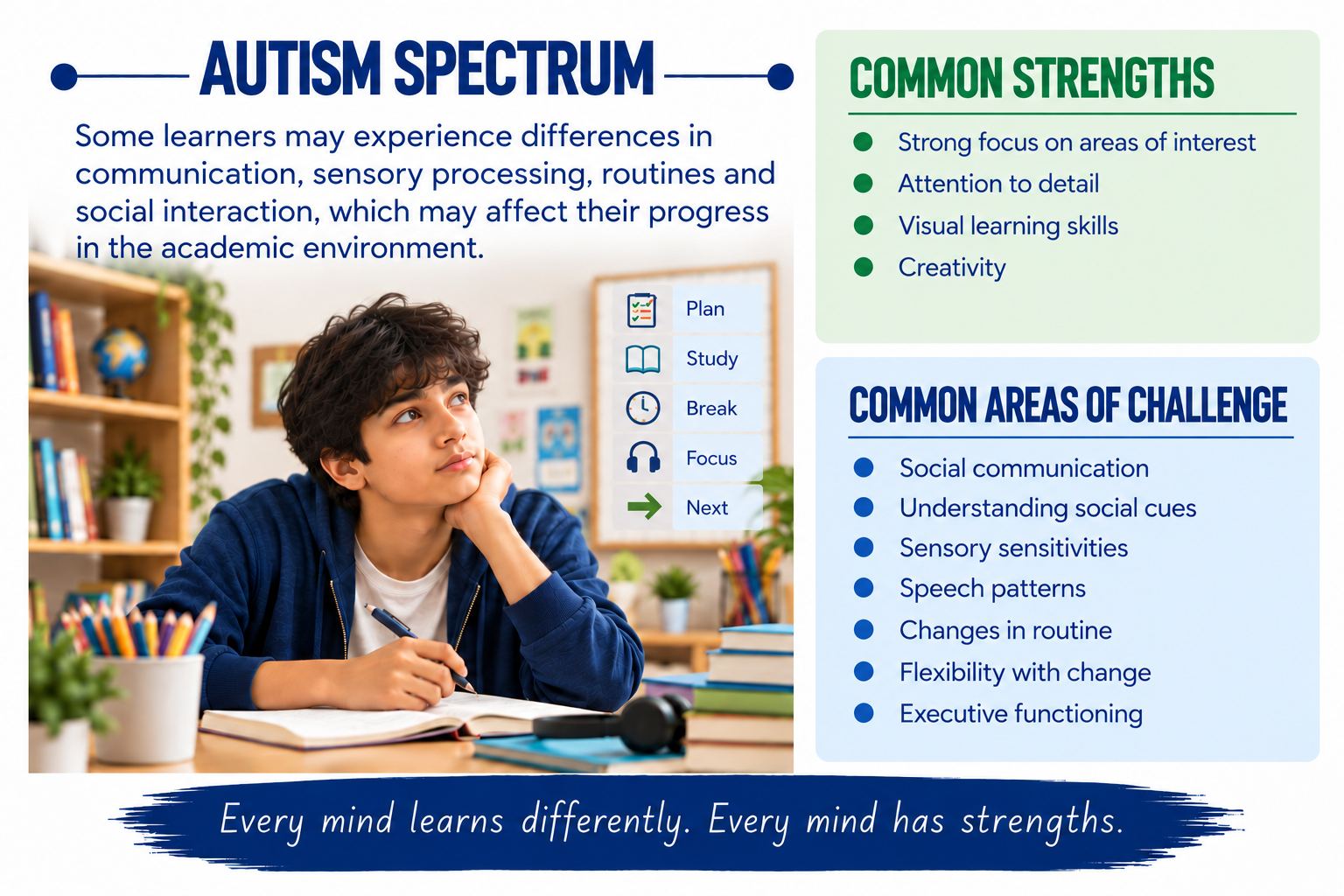
Some benefit from visual explanations. Others need scaffolded guidance before working independently. Some require support with organisation and study skills, while others need concepts broken down into smaller, manageable parts.
Recognising these differences allows learning to become more meaningful, effective and less stressful.
Supporting the learner, not just the subject
Learning support is not simply about completing homework & assignments, or preparing for examinations.
It is about understanding how each student learns best and providing strategies that enable them to become more confident, independent learners over time.
When students are taught in ways that suit their individual learning needs, they are often surprised by what they are capable of achieving.
Sometimes, learning differently—not simply studying longer—can make all the difference.