One of the concerns I hear most often from parents is:
“My child is intelligent. She understands everything, but her grades just don’t reflect her ability.”
Often, subject teachers notice the same thing.
This can be frustrating for both parents and students. When a child appears capable but consistently underperforms, it is easy to assume that they are not putting in enough effort. However, there may be much more beneath the surface.
Academic performance is influenced by many factors, and intelligence is only one part of the picture.
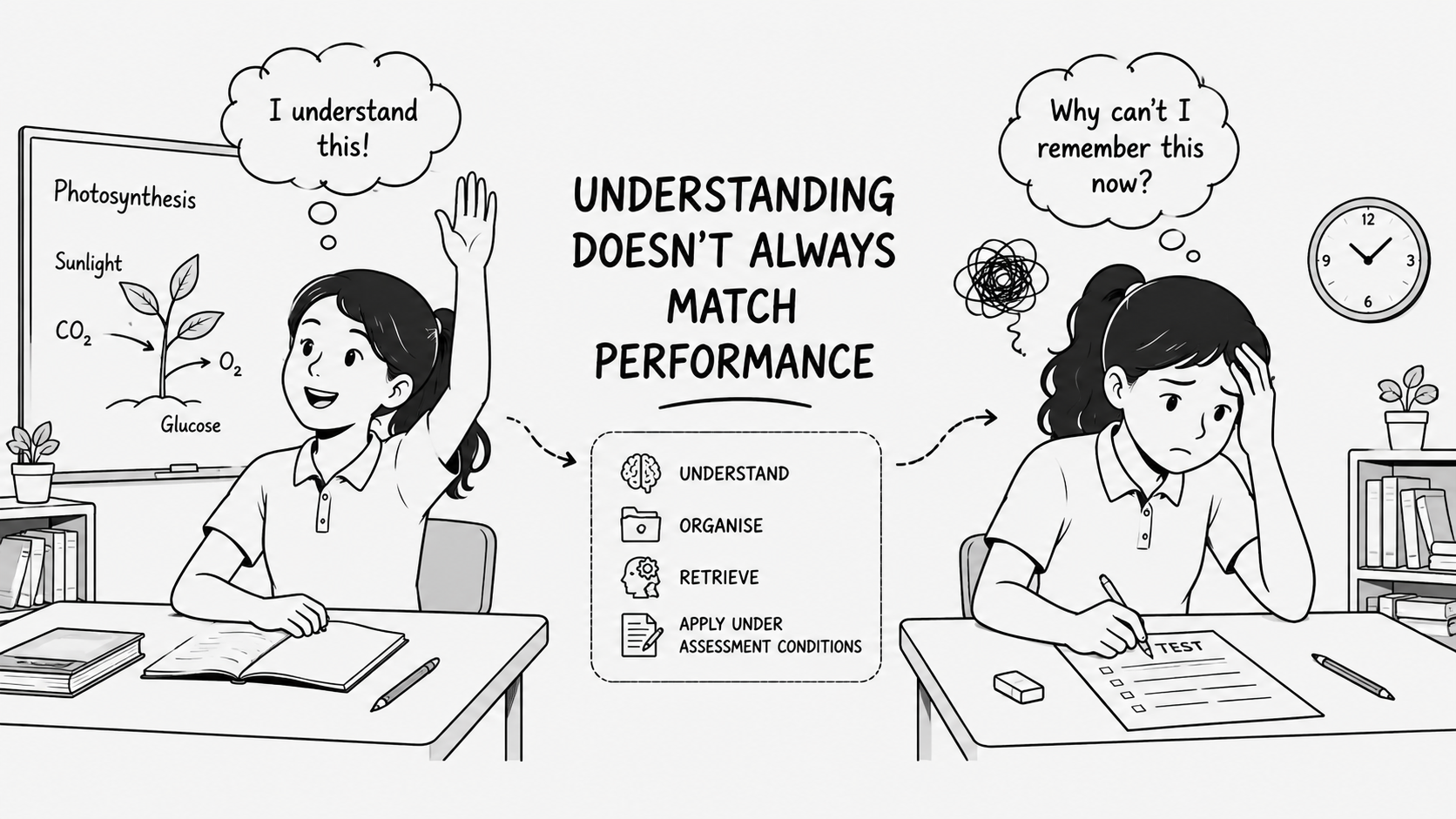
Understanding is not always the problem
Many students genuinely understand a concept during a lesson. However, understanding something once is very different from being able to recall, organise and apply that knowledge independently during an assessment.
This is particularly true in curricula such as the IGCSE and the IB, where students are expected not only to remember information but also to analyse, evaluate and apply concepts in unfamiliar contexts.
Over the years, I have worked with many students who understood concepts far better than their examination results suggested. What often held them back was not a lack of ability, but the difficulty of demonstrating what they knew under assessment conditions.
There may be hidden challenges
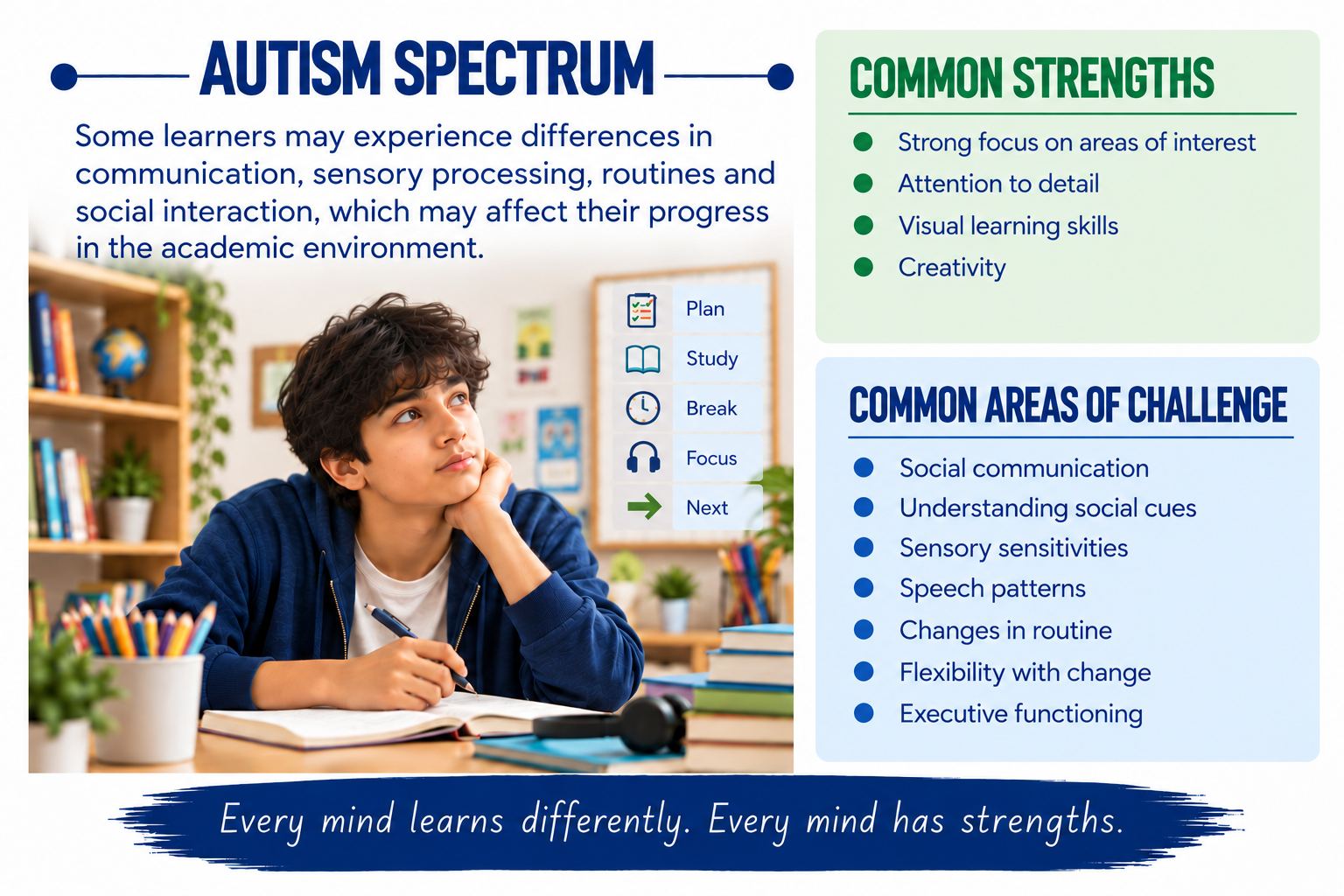
Some students experience learning difficulties that are not immediately obvious. Others find it difficult to plan and organise their work, manage their time or remember and follow multiple instructions. These executive function skills play an important role in learning, yet they are often overlooked.
Anxiety can also affect performance. A student who appears confident at home may become overwhelmed during an assessment, making it difficult to retrieve information that they understood perfectly well the day before.
In many cases, the challenge is not intelligence or motivation. It is the way the student processes, organises or retrieves information.
Looking beyond the grades
A progress report tells us how a student performed at a particular point in time. It does not always tell us how hard they worked, how much anxiety they experienced or how many obstacles they had to overcome along the way.
Understanding the reason behind underperformance is often the first step towards helping a student regain confidence and reach their potential. It reassures the students that there are adults who understand and acknowledge their struggles and that they do not have to face the challenges alone.